How to Achieve Financial Independence

This article has been riginally posted on 23.09.2023 and revised on 23.05.2026.
This article is a little different from sharing some beauty tips, something which has been my goal for a while, and I have been figuring out what financial independence or FI means to me personally and how I can get there.
FI for me is a :
- feeling of comfort, stress-free days
- have cash inflows to cover living expenses
- financial independence
- enough that I can help loved ones
- spending more time with family and not being forced to work
Comfort means a different thing for everyone, perhaps even at different stages of life. For me, at this present time, it is a comfort of 40k a year. How did I come up with this figure? This is an amount I need to get passively or at least work less than 4 hours a week, living with a partner without children (yet, but planned), based on myself only and shared bills.
Here are the steps I am working on towards building financial independence:
Step 1: Inspect your finances.
Why are budgets not taught in school? I certainly did not get this advice from anyone, not even from my parents. Such an easy yet important step in our finances.
Challenge yourself to download all of your bank statements and in free Excel for more number crunchers like myself – comes from MoneySavingsExpert.com, or on paper, calculate how much your fixed expenses are, like rent, council tax, mobile and broadband, food, transport, children’s care if you have children, water, electricity, subscriptions.
At first, this can be an overwhelming task, so start with the last month and analyse the income and expenses. Was there anything to cut down to save money?
Step 2. Minimise and cancel without looking back.
I do like new iPhones, but I also want to be FI. This means I kept my old iPhone SE for years and minimised my bills from 40 to 20 a month!
We also got a great deal on broadband, which included a free Netflix. If not, we are watching TV every day, only on weekends. So, it’s worth asking to change the tariff where you can.
Same for electricity, review a few websites for Npower, and EON, what if you get a better deal? The same goes for insurance; just ask for an offer. There is always something out there. KEEP a positive attitude, always a winner, not a whiner! So look around as much as possible.
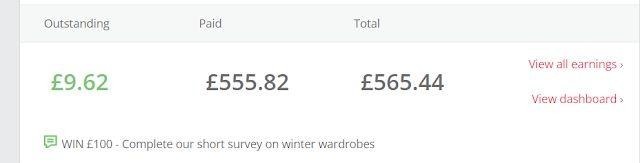
And, if you are changing the provider, use websites such as Topcashback (invite link included). It does not cost anything to use their website and click on the link to store and earn! I have so far earned 565.44, and although I have used it for many years, every pound counts. This could be a nice holiday for free!
Step 3. Analyse all personal loans and credit cards.
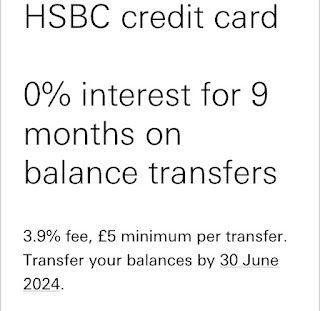
Make some calculations if you are better off combining all credit card balances under one card by balance transfer (often there are offers where you transfer your balance at no cost, but do check this fee).
If you have a large personal loan, was it for a necessary purchase you cannot live without or for a new car you barely use or watch? If you have not yet built the emergency fund and covered all credit cards, recovering from debt should be a priority N1. The best tip is to pay more than the monthly minimum; otherwise, you will be paying much more in the end. If possible, change the credit card interest to a lower one with the same or another provider. I would suggest first paying off your overdraft, then your credit cards, and then a personal loan.
Living now with luxury items only sounds nice, but better if you build a dividend portfolio that pays for your living.
If you use credit cards regularly and do not pay off the total amount before interest is due. I would suggest removing the credit cards from your wallet temporarily and only use it once you have paid off the balances. I would recommend using a credit card once in a while (paying all balances almost immediately) to grow your good credit rating.
Step 4. Start saving for emergencies!
If you need to pay off the debts, do this first, and if you have spare 50 pounds, add a direct debit to transfer this monthly to the savings accounts for emergency funds. If you can do more, add more, and if not, even 10 pounds is better than nothing!
Your emergency fund is a backup and should be about 3-6 months’ worth of living expenses. That is why it is so useful to analyse your monthly expenses. I have calculated a bare minimum I need, which includes rent, food, transport, insurance, phone bill, electricity, water and cosmetics. Then used x 3 times this number as the first step. After saving for 3 months, save for another 3 months.
Once out of debt, start building this up as quickly as possible. This account is not for spending, but to help out when something happens.
Step 5. Think about the insurance
When I was back at the university, I always thought that putting money towards a pension or insurance was unnecessary, as I did not have much back then. I feel differently about insurance now. There are many types of insurance; in this post, I want to mention the disability insurance and life insurance required by your mortgage provider. There is also private medical insurance, which could already be a part of your workplace package. Whatever it is, this is a personal choice, but I urge you to think about it. If you are already insured, maybe there are ways to reduce the costs by switching to a better deal?
Step 6. Looking into various ways of earning more.
I work full-time, but in my spare time, I have published two ebooks, a few online courses in bookkeeping, and am working on a YouTube channel. I had a shared ownership flat in London, which I bought up to 100% and now rent fully. I also invest with HL and Degiro in the selected shares.
So here are my extra cash inflows: rent and books. online courses, dividends.
There are many ways to earn extra cash, and it all comes down to selling your extra time or using skills to create a product that sells. I am not into Amazon fulfilment or crypto/bitcoins. I could never understand how it works properly, so I cannot comment on this.
There is no easy way to make a passive income, which is never passive since you often need to update the courses and books, check the financial reports for the share investments, and so on. However, for me, this is the way to my financial independence, and I often work over weekends and evenings.
Any questions, I would be happy to answer. I am not to give financial advice, but to share my own ideas. Please consult with a specialist for any advice.
#Personal finance #Budget #Financial growthgrowth